Queer history?
Queer history is the history of the diversity of gender and sexuality, also called LGBTQIA+ history.
Friends of Queer History (Finnish: Sateenkaarihistorian ystävät ry, Swedish: Queerhistoriens vänner rf) is an association established in Finland in 2020, aiming to raise awareness on history of gender and sexual diversity, and advance researching, collecting and presenting queer history in Finland.
Our website is mainly in Finnish, with a limited translation to English. Here you can find basic information about Finnish queer history, a queer history-themed event calendar, instructions for documenting your own history, an online magazine that publishes general information about queer history, and much more. Welcome to learn about Finnish queer history!
Latest English Journal Texts
The online magazine Writings of Friends of Queer History focuses on issues around Finnish queer history and is mainly published in Finnish but we also publish texts in Swedish and English. The whole content is on display on the Finnish side of the magazine.
-
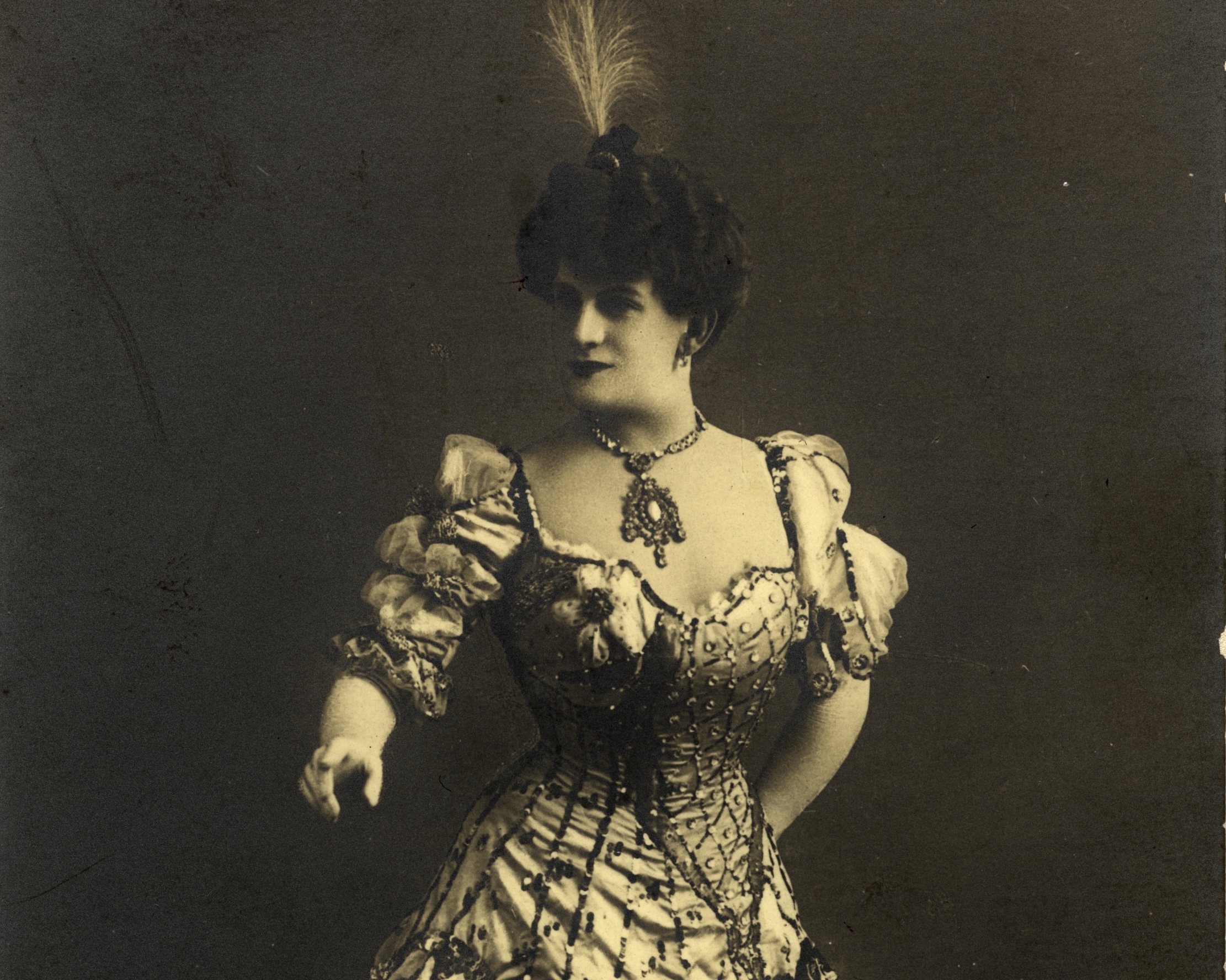
Female impersonators between 1880 and 1910
The decades between 1880 and 1910 were both the heyday of male and female impersonators and a period when queer communities were emerging in Malmö.
-

Friends of Queer History’s grants awarded to grassroots actors
Friends of Rainbow History awarded grants to ten grassroots actors to promote queer history related activities and build networks. The decisions emphasized the importance to queer history, locality, concrete feasibility, community work, and the breadth of impact, timeliness, and transience.
-

She was delighted when she heard her name, Erika
Emil Uuttu wrote the play ‘The Lovely Daughter Erika – Notes on a name’ (2023) based on a local story found in the folk poetry collection of the Finnish Literature Society, and on a number of research publications that discussed the note or otherwise referred to it. The play is a study of questions of…
-

Queer Jewish Past and Present in Finland
Previous studies have pointed out that while the Finnish Jewish communities have in fact operated as Orthodox over the course of their time, due to the general societal changes, and partially to the changes in the legal sense the congregational membership started to become more and more secular.